A Calm Furniture Reset Before Guests Arrive
A calm furniture reset before guests arrive makes a room easier to use: clear one useful surface, check the seating and open a comfortable route.
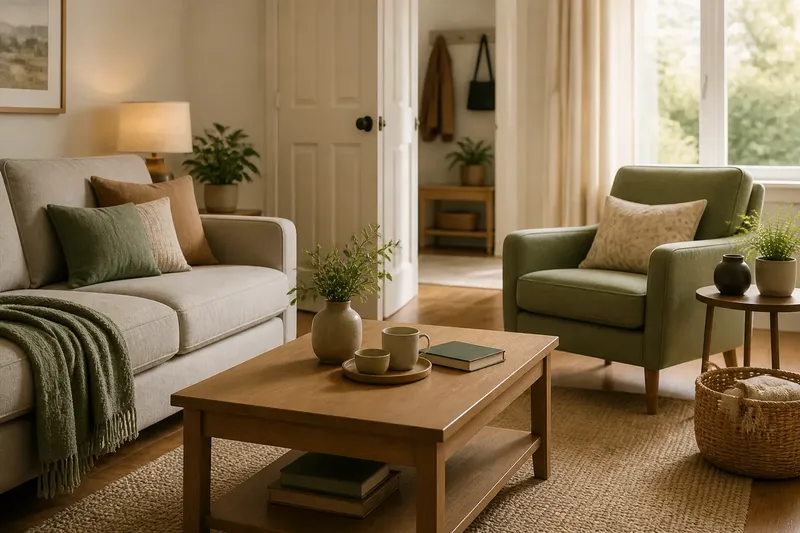
The doorbell is due soon, and a stack of post still occupies the coffee table. A calm furniture reset before guests arrive is not a room makeover; it is a small adjustment to the furniture and objects that shape how people use the space. Begin with the things a visitor will need, then leave the room’s character alone.
Start with the visit
Imagine you are expecting two friends for tea in a sitting room where the sofa faces a low table and an armchair sits near the window. You clear one section of the table for cups, shift a loose footstool out of the route to the sofa, and check that each seat can be reached without squeezing past another person. The expected result is observable: there is somewhere to put a drink, a clear choice of seats and a straightforward way into the conversation.
This is the useful scale of a pre-visit reset. It responds to the visit you are actually having, rather than to an abstract idea of a perfectly arranged room. A room prepared for tea may need an accessible table; a room where guests will gather around a sofa may need a more open route between the entrance and the seating.
Before moving anything, pause at the doorway and notice where people are likely to enter, sit and set down a bag or coat. You do not need a detailed plan. A few moments of observation can show whether the main obstacle is a cluttered surface, a hard-to-reach chair or furniture pinching the passage through the room.
Give one surface a job
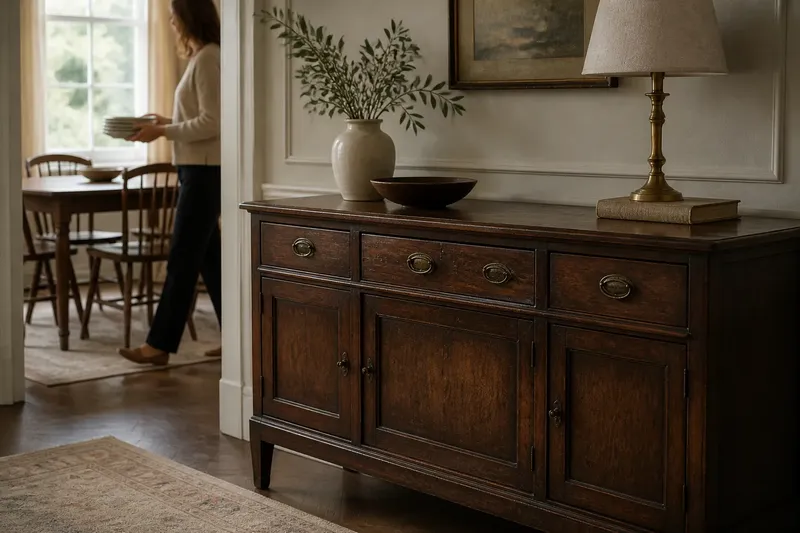
A useful surface is one guests can reach from where they are likely to sit or stand. It might be a coffee table, an end table or the clear end of a sideboard. The choice depends on what the room already offers; there is no need to introduce another piece if the current arrangement can serve.
Clear only enough area to make that surface usable. Move post, chargers, craft materials or serving items to their ordinary homes, rather than sweeping everything into a drawer where it may be difficult to find later. If the surface is also used for daily tasks, set aside a clear portion instead of trying to make the whole thing look unused.
Think of the surface as a landing place, like the small tray by a front door where keys can be put down without taking over the hall. Its value comes from making a simple action easy. A lamp, a book or a modest ornament can remain if there is still space for a cup, a glass or someone’s phone.
Consider the surface from each seat, not just from above. A table that looks clear while standing may be crowded from the sofa, or placed far enough away that a guest has to lean awkwardly. The aim is not to rearrange the entire seating group, but to make one everyday action—setting something down—feel natural.
Check every seat
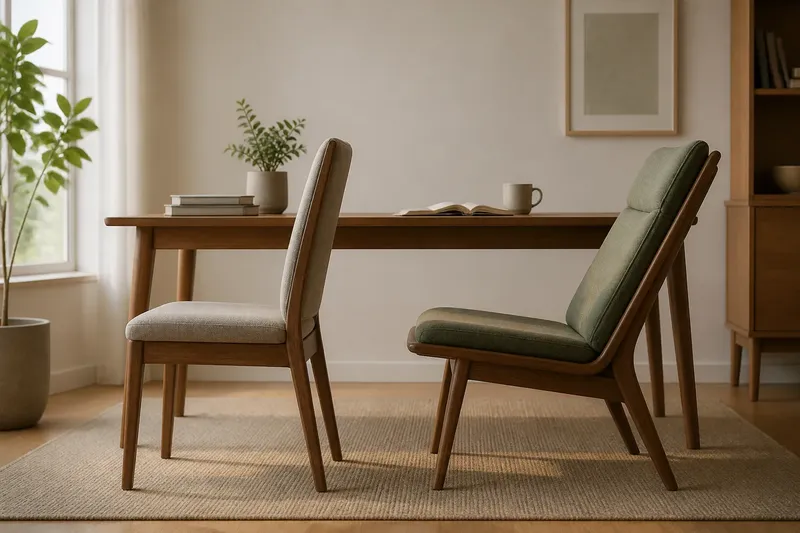
Look at the chairs and sofa as places people need to enter and leave, not as shapes to perfect. Check that cushions are in place, that a chair is not blocked by a basket, and that the seat is not being used as temporary storage. If someone might prefer a firmer chair or an armrest, make that option easy to see and reach.
Then check the space around the seats. A chair can be technically available yet feel awkward if its path is blocked by a table corner or another chair. A sofa can appear inviting while the only route to it runs through a narrow gap crowded with objects. Make modest adjustments only where they remove a real obstacle.
Keep the room’s existing arrangement in mind. Furniture does not need to be pulled into a circle simply because people are visiting. If the chairs already face one another well enough for conversation, preserving that orientation may be more comfortable than moving heavy pieces at the last minute.
Leave a clear route
Movement is the part of a visit that can be easiest to overlook. Guests may come in carrying a coat, walk from the entrance to a seat, or cross the room to reach a window or another person. Notice the route they are likely to take, and move small obstructions such as a footstool, loose bag or low basket if these interrupt it.
Keep the route legible rather than trying to make every inch of floor empty. A rug can help define the sitting area, while furniture around its edges gives the room a settled feel. The practical question is whether people can pass without turning sideways, stepping over something or nudging a table as they go.
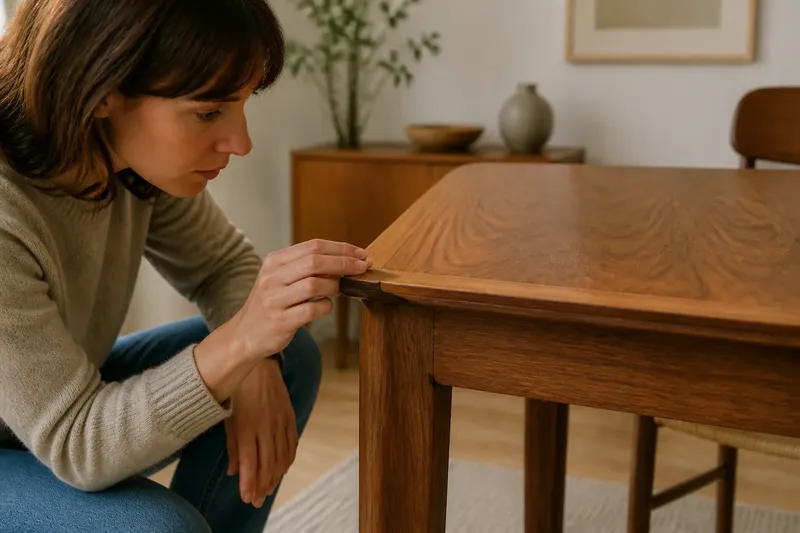
Pay attention to the way doors and drawers open, too. A chair that prevents a cupboard door from opening may be a problem if someone needs to reach it during the visit. Where the issue involves heavy or fixed furniture, do not rush a move simply to improve the appearance; leave it in place and use a different route if that is more sensible.
What deserves attention first?
Should I move the furniture?
Move a piece only when it improves access or makes a seat or surface more usable. If the arrangement already supports conversation and movement, leave the larger items where they are.
How much should I clear?
Clear the area needed for the visit, such as a place for drinks or a seat for a guest, rather than emptying every surface. Keeping everyday items in their usual homes also makes it easier to restore the room afterwards.
What if the room feels crowded?
Start with small, movable obstacles and identify the route guests will actually use. If the main furniture leaves limited floor space, avoid trying to solve that by hurriedly shifting heavy pieces; focus on an accessible seat and a clear path through the available space.
Finish with a quiet check
Take one last look from the entrance, then from a likely seat. Is there a clear place to sit? Can someone set down a drink? Does the route between the entrance and the seating make sense? These questions are more useful than asking whether every object looks arranged.
Say you are having a neighbour over after work, and the only easy chair is partly hidden by a folded laundry basket while the coffee table holds unopened post. You put the laundry away, sort the post into its usual place, and leave the chair where it is because its path is clear. The expected result is that the seat is visible and the table can accept a mug, without the room’s layout being turned inside out.
Leave yourself a moment to check any furniture you have moved for stability, and avoid hurriedly lifting or dragging heavy pieces alone. For details that depend on a furniture label, maker’s instructions or local requirements, follow the relevant guidance once rather than improvising.
A calm furniture reset before guests arrive works best when it stops at the point where the room becomes easier to use. The final useful check is to leave one familiar place for your own things, too: a hook for your coat or a corner of the table for your keys. That small decision helps the room return to its ordinary rhythm after the visit.